
blog
What Is the Best Nut for Hypothyroidism? + Important Consumption Tips


The thyroid is a small but vital gland located in the neck that plays a crucial role in regulating metabolism, energy levels, and the activity of other organs. When the thyroid becomes underactive, the production of thyroid hormones decreases, disrupting many of the body’s normal processes. In such cases, proper nutrition can have a significant impact on managing symptoms and improving overall health.
One of the key nutrients that can greatly support thyroid health is selenium. Nuts, due to their healthy fats, fiber, vitamins, and minerals such as selenium, can play an important role in supporting people with hypothyroidism. Purchasing fresh, high-quality nuts is a simple and delicious way to supply these essential nutrients. If you would like to learn which nuts are best for hypothyroidism and gain more detailed information, we invite you to continue reading with Tak Zar.
Get to Know the Best Nuts for Hypothyroidism
Hypothyroidism occurs when the thyroid gland is unable to produce sufficient hormones. In this condition, it is important to consume nutrients and foods that help improve thyroid function. Selenium is one of the most important nutrients for thyroid health and plays a central role in the enzymes responsible for converting T4 into the active hormone T3.
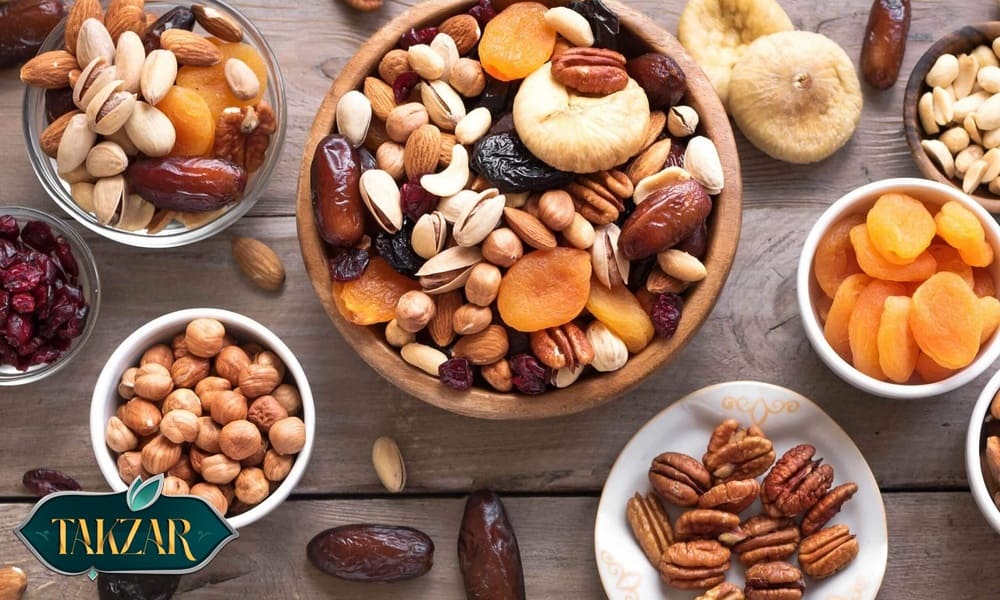
Nuts are excellent sources of healthy fats, plant-based protein, fiber, and minerals, and are therefore recommended as part of the diet for individuals with hypothyroidism. According to PubMed:
“Increasing selenium levels through Brazil nut supplementation was associated with improvement in thyroid hormone levels.”
A study conducted on patients with kidney disease who were selenium-deficient showed that consuming one Brazil nut per day for three months increased plasma selenium levels, free T3 and T4, and reduced TSH levels. These findings suggest that even small amounts of selenium-rich nuts can significantly improve thyroid function—provided consumption is controlled and supervised by a healthcare professional.
Types of Nuts Beneficial for Hypothyroidism
People with hypothyroidism should consult their physician and choose nuts that are rich in selenium or other beneficial micronutrients and contain unsaturated fats. The table below introduces nuts that, when consumed in moderation, may help improve thyroid function:
| Nut | Benefits | Limitations / Warnings |
|---|---|---|
| Brazil nuts | The richest known dietary source of selenium; just 1–2 nuts may meet daily selenium needs | Excess intake may cause selenium toxicity |
| Walnuts | Rich in omega-3 fatty acids and antioxidants; may help reduce inflammation, important in autoimmune thyroid diseases | Contain phytates; best consumed away from medications |
| Almonds | Source of magnesium, vitamin E, and healthy fats; supports overall health | Prefer raw or low-sodium varieties |
| Pumpkin seeds | High in zinc, which is essential for thyroid hormone production and activation | May contain oxalates or phytates affecting absorption |
| Cashews, hazelnuts, pistachios | Provide healthy fats, fiber, and certain vitamins | Lower selenium content; supportive rather than primary sources |
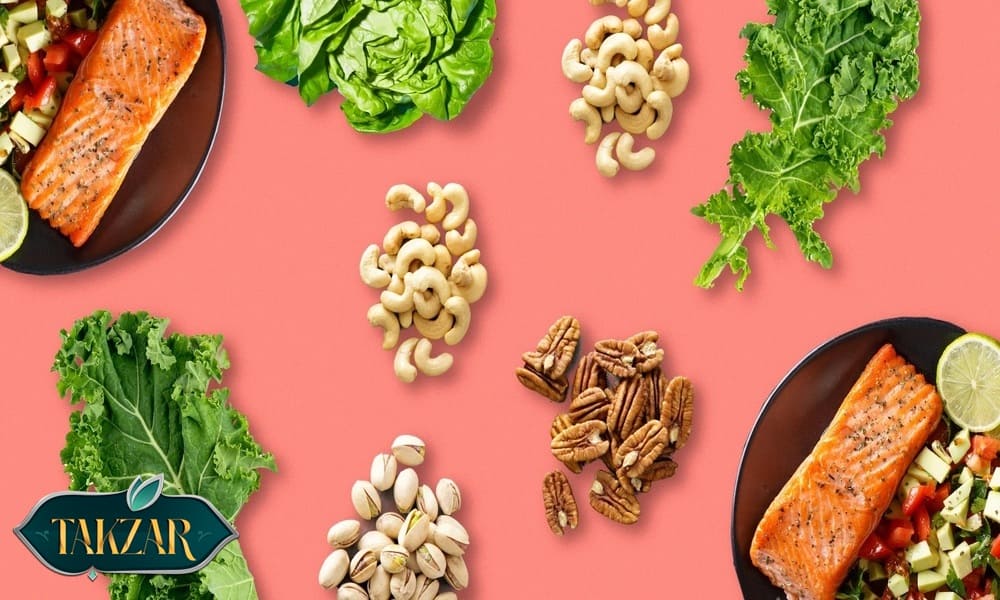
How to Consume Nuts and the Best Time to Eat Them for Hypothyroidism
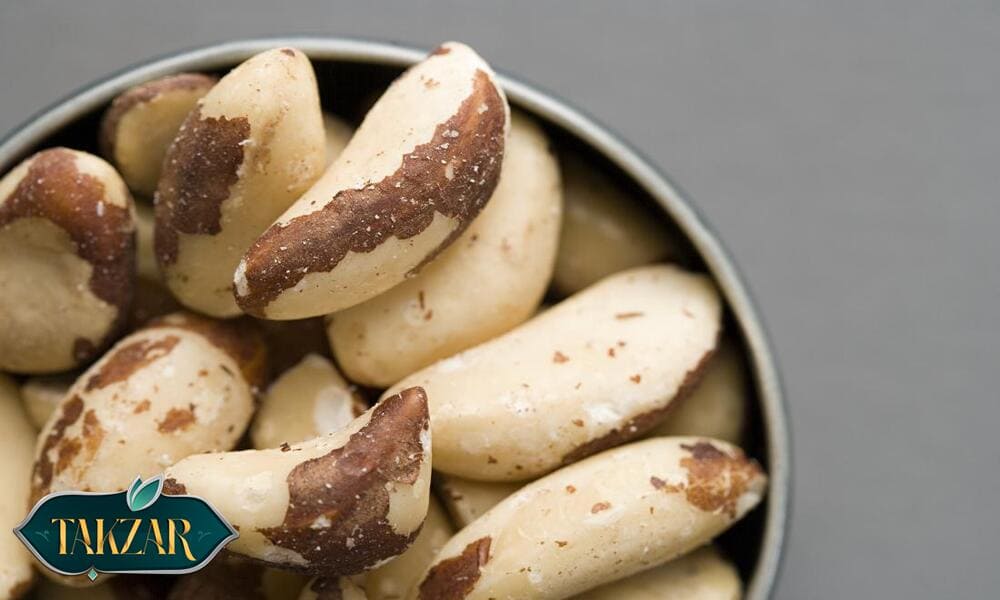
For Brazil nuts, 1–2 nuts per day are usually sufficient to meet selenium needs. According to Verywell Health, one Brazil nut may contain up to 90 micrograms of selenium, making portion control extremely important.
The best time to consume thyroid-supportive nuts is as a snack, provided they are eaten at least 1–2 hours away from prescribed medications such as levothyroxine. It is also recommended to consume nuts with meals that are low in iron, as excessive iron may interfere with the absorption of certain minerals.
If you have a sensitive stomach, consuming nuts earlier in the day may be more beneficial for sustained energy. Nuts can be eaten raw or soaked in water to reduce phytates and other antinutritional compounds. Grinding or chopping nuts and adding them to salads, yogurt, or breakfast cereals can also enhance nutrient absorption.
Individuals with hypothyroidism should avoid salted, roasted, or heavily seasoned nuts.
Safety Tips and Drug Interactions When Consuming Nuts for Hypothyroidism
People with hypothyroidism should pay attention to the following points when consuming nuts:
-
Excessive selenium intake may cause toxicity, including hair loss and digestive problems.
-
The tolerable upper intake level for selenium is approximately 400 micrograms per day.
-
Each Brazil nut contains about 60–90 micrograms of selenium, so more than two per day is not recommended.
-
Consume nuts at least 1–2 hours after taking levothyroxine.
-
Iron, calcium, and high-fat foods can reduce levothyroxine absorption.
-
Avoid nuts entirely if you have a known nut allergy.
-
To reduce antinutritional compounds, soak nuts before consumption or lightly toast them.
-
Nuts are only one part of a balanced diet; dietary variety and moderation are essential.
Practical Guide, Sample Plan, and Suggestions
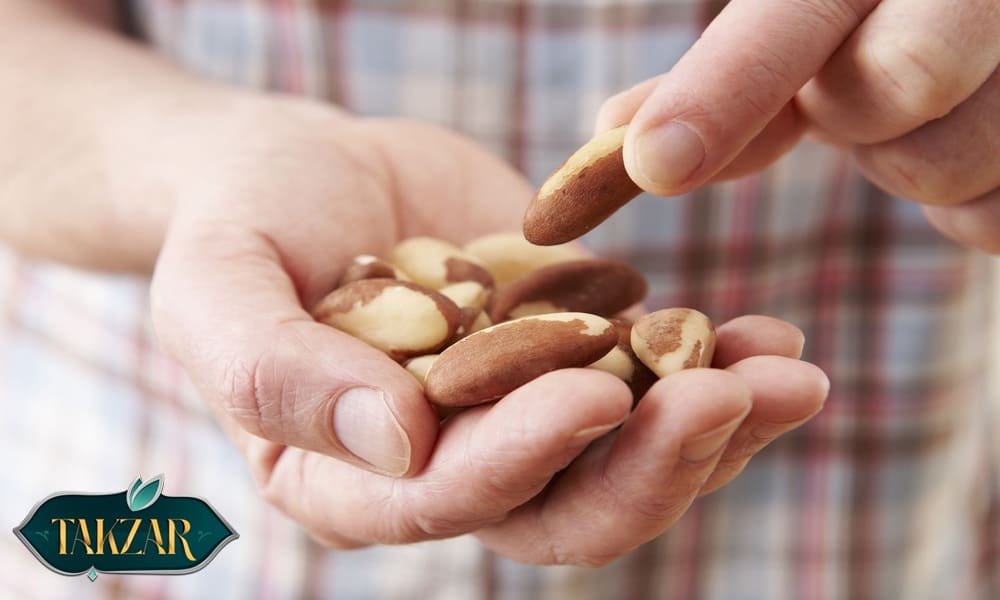
If you plan to add nuts to your daily diet, it is recommended to start with 5–10 grams of nuts per day as a snack. If consuming Brazil nuts, limit intake to 1–2 nuts per day. Nuts are best consumed with fluids such as water or tea to aid digestion.
Below is a sample daily meal plan for an adult on a standard diet:
Important note: This is only a sample plan and should be adjusted according to calorie needs, thyroid status, medications, and individual conditions.
| Meal | Suggested Foods | Notes |
|---|---|---|
| Breakfast | Oatmeal + banana + 1 tbsp chopped nuts (almonds, walnuts) | Chopped nuts improve absorption |
| Morning snack | 1 Brazil nut + a few walnuts | Observe selenium limits |
| Lunch | Vegetable salad + chicken or fish + pumpkin seeds | Nut and seed variety |
| Afternoon snack | Small handful of mixed nuts (5–7 g) | Avoid salty or heavily roasted nuts |
| Dinner | Vegetables, protein, iodine sources like fish or seafood | Nuts only as snacks |
| After dinner | Herbal tea + a few almonds | If tolerated by digestion |
Conclusion
In this article, we explored the best nuts for hypothyroidism and the key points to consider when consuming them. Nuts—especially those rich in selenium—can play a significant role in the diet of individuals with hypothyroidism. However, quality and freshness are extremely important. For this reason, we recommend exploring the premium nut products available at Tak Zar.
Tak Zar, as one of the most reputable suppliers of high-quality nuts, is proud to offer the finest and freshest nut varieties to its customers.
Frequently Asked Questions
1. Can Brazil nuts replace thyroid medication?
No. Brazil nuts help provide selenium but cannot replace medications such as levothyroxine. Prescribed medication must be continued under medical supervision.
2. Is selenium toxicity possible from excessive Brazil nut consumption?
Yes. Excess selenium intake can lead to toxicity, causing symptoms such as hair loss, brittle nails, digestive issues, and neurological problems. Staying within recommended limits is essential.
3. What should I do if I am allergic to nuts?
If you have a nut allergy, avoid nuts entirely and rely on other selenium sources such as fish, seafood, and other dietary options, and consult your physician.